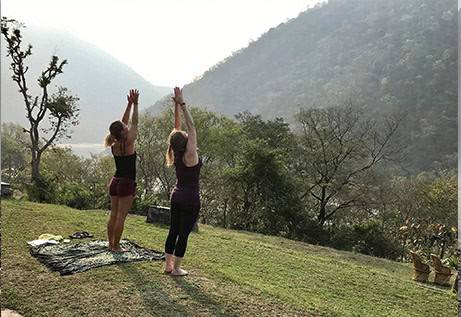
Rishikesh, often referred to as the ‘Yoga Capital of the World,’ is a dream destination for yoga enthusiasts seeking to deepen their practice and earn a teaching certification. With its serene environment, sacred rivers, and spiritual ambiance, the city attracts students from all over the world. However, with the multitude of yoga teacher training courses available, selecting the right one can be overwhelming. The right choice will not only enhance your yoga skills but also provide you with a holistic understanding of the discipline. To make an informed decision, consider factors such as accreditation, curriculum, faculty expertise, and overall experience.
Understanding Accreditation and Certification
One of the first things to check when choosing a yoga teacher training course in Rishikesh is accreditation. A reputable program should be registered with Yoga Alliance, the globally recognized body that sets standards for yoga education. Yoga Alliance certification ensures that the training follows a structured curriculum, meets educational requirements, and provides a legitimate certification upon completion. This certification is essential if you plan to teach yoga professionally, as many studios and wellness centers require it.
Additionally, verify whether the institution has experienced trainers who are recognized by Yoga Alliance. A well-structured program will have a balance of theoretical and practical sessions, covering essential yoga principles, anatomy, and teaching methodology. Yoga schools like Yogada offer immersive training programs such as the Rishikesh Yoga Teacher Training Course, providing students with the knowledge and skills needed to become certified yoga instructors. These courses blend traditional practices with modern teaching techniques.
Evaluating the Curriculum and Course Structure
Every yoga teacher training program in Rishikesh follows a unique approach, but a comprehensive curriculum should cover all fundamental aspects of yoga. A good course should include subjects such as Hatha and Ashtanga yoga, pranayama (breathing techniques), meditation, anatomy, alignment, philosophy, and teaching methodology. Ayurveda, Sanskrit chanting, and yogic lifestyle practices can also be valuable additions.
Beyond theoretical knowledge, practical sessions should be intensive and immersive. A strong emphasis on teaching practice helps students gain confidence in leading a class. Check if the program includes supervised teaching hours, workshops, and personal guidance to help refine your techniques.
Assessing the Faculty and Teaching Experience
The quality of instruction plays a crucial role in shaping your learning experience. Look for experienced and certified yoga teachers with a strong background in yoga philosophy, anatomy, and asana practice. Reputable schools in Rishikesh often have teachers with years of training and international teaching experience.
It is also helpful to research the background of the instructors by reading reviews and testimonials from former students. Watching video introductions or demo classes can give you a better idea of the teaching style and philosophy. Learning from an experienced and compassionate faculty will ensure that you receive the proper guidance and support throughout your journey.
Considering the Location and Learning Environment
The environment in which you practice and learn yoga has a profound impact on your overall experience. Rishikesh offers a variety of training centers, from ashrams nestled along the banks of the Ganges to secluded retreats in the foothills of the Himalayas. Consider what kind of setting aligns with your learning preferences.
Some students prefer a traditional ashram experience, where they immerse themselves in a disciplined yogic lifestyle with simple accommodations and vegetarian meals. Others may choose a modern retreat-style school that provides more comfort and amenities. Whichever option you choose, ensure that the school maintains a peaceful, distraction-free atmosphere conducive to deep learning and self-discovery.
Exploring Course Duration and Intensity
Yoga teacher training courses in Rishikesh come in various formats, typically ranging from 200-hour, 300-hour, and 500-hour programs. The 200-hour course is the most common and serves as the foundational certification for aspiring yoga teachers. It usually lasts four weeks and covers essential aspects of yoga training.
If you already have prior experience and wish to deepen your knowledge, a 300-hour or 500-hour course may be a better fit. These advanced programs offer more in-depth training and enhance your teaching capabilities. Before enrolling, assess your current skill level, availability, and long-term goals to determine which course suits you best.
Reviewing Student Feedback and Testimonials
One of the best ways to gauge the credibility of a yoga teacher training program is by reading reviews and testimonials from past students. Many schools in Rishikesh have alumni networks that share their experiences online through blogs, forums, and social media platforms. These insights can help you understand the strengths and weaknesses of a program.
Look for feedback on the quality of instruction, course content, accommodation, food, and overall experience. Positive reviews that highlight structured learning, knowledgeable faculty, and transformative experiences are good indicators of a reputable program. However, be cautious of programs with consistently negative reviews regarding professionalism, organization, or misleading promises.
Ensuring Cultural and Ethical Considerations
Rishikesh, being a sacred city, follows a predominantly vegetarian and alcohol-free lifestyle. Many yoga schools adhere to ethical yogic principles and expect students to respect the local culture and traditions. Before enrolling, understand the school’s guidelines regarding food, dress code, and daily routines.
A good program should also promote inclusivity and respect for diverse backgrounds. Whether you are a beginner or an experienced yogi, the school should provide an open, welcoming environment where students feel comfortable and encouraged to grow.
Conclusion
Choosing the right yoga teacher training course in Rishikesh requires careful consideration of several factors, including accreditation, curriculum, faculty expertise, environment, and affordability. A well-structured program will not only provide a solid foundation for your teaching career but also help you embark on a transformative personal journey. By conducting thorough research, reading reviews, and assessing your goals, you can find the best course that aligns with your aspirations and ensures a fulfilling yoga experience in the heart of Rishikesh.
Featured Image Source: https://www.yogadaindia.com/wp-content/uploads/2021/04/200-hours-yoga-course-in-rishikesh-india.jpg
