Almost every learner asks the same thing early on. How many lessons will this actually take? It is a fair question, and a slightly frustrating one, because there is no single answer that fits everyone. Some people are ready in a couple of months. Others need a good while longer, and that is perfectly normal.
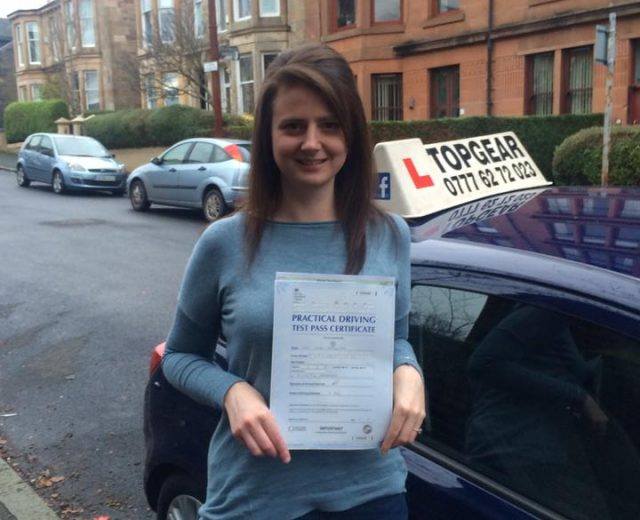
The honest truth is that the number depends on you. Your pace, your past experience, your nerves. Good Glasgow driving instructors will tell you the same thing rather than promise a magic figure. A school such as Top Gear Driving Tuition, used here as an example, tends to focus on genuine readiness over a rigid lesson count.
So before you fixate on a number, it helps to understand what really shapes your progress. A few clear factors push you forward or quietly hold you back. Here is what affects how long it takes, how to spot when you are genuinely ready, and the mistakes that drag the whole thing out.
What Is the Average Number of Driving Lessons Needed?
The Usual Ballpark: Most learners in the UK need somewhere around 40 to 45 hours of professional lessons before passing. That is the figure instructors quote most often. Pair that with another 20 hours or so of private practice and you are in fairly typical territory. Treat it as a starting guide, not a target carved in stone.
Why Averages Mislead: Here is the catch with averages. They hide a lot of variation. A confident learner who drives several times a week might need far fewer hours. A nervous beginner juggling work and family could need more, and there is nothing wrong with that. Reading the Highway Code early helps either way, since theory and practice tend to feed each other.
Factors That Affect How Quickly You Learn to Drive
What You Bring to the Car: Past experience matters more than people expect. If you have driven abroad, ridden a motorbike, or even spent time on quiet country roads, some instincts are already there. Confidence plays a part too. So does your learning style. Some people absorb things by doing, others need the reasons explained first before anything clicks.
The Rhythm of Your Lessons: Frequency is the quiet factor that decides a lot. Two lessons a week keeps skills fresh. One lesson a fortnight means you spend half of it remembering what you forgot. Strong hazard perception comes from regular exposure to real traffic, not from cramming. The roads around Anniesland or the M8 slip roads teach you quickly.
Signs You May Be Ready to Book Your Driving Test
You will not wake up one morning suddenly ready. It creeps up on you. Still, there are clear signals that you are close, and a decent instructor will point them out before you book anything:
• You drive whole routes without the instructor touching the controls
• Manoeuvres and road positioning feel natural rather than forced
• You spot hazards early and react calmly, not in a panic
• Mock tests go well, with only minor faults creeping in
• You feel steady in heavy traffic, rain, and unfamiliar areas
If most of those ring true, you are probably ready. If only one or two do, give it a little more time. There is no prize for rushing.
How to Reduce the Number of Lessons You Need
Be Consistent, Not Frantic: The learners who finish quickest are rarely the most naturally gifted ones. They are the consistent ones. Regular lessons, ideally close together, build a momentum that scattered sessions never match. Add private practice between lessons and you reinforce everything while it is still fresh in your head.
Work on the Hard Bits First: It is tempting to keep practising what you are already good at, because it feels nice. Resist that. Tackle your weak spots early, whether that is reversing around a corner or merging onto a busy road. Listen to the feedback and act on it. That alone can save you several lessons and a fair bit of money.
Common Mistakes That Delay Driving Test Readiness
Rushing the Test: The biggest trap is booking the test too soon, often to beat a long waiting list. Failing once knocks your confidence and costs you the fee, plus the wait for another slot. Patience is cheaper in the end. Bad habits formed early are another problem, since they are far harder to unlearn than to avoid in the first place.
Ignoring the Feedback: Some learners hear feedback and quietly dismiss it. Others avoid the situations that scare them, the roundabouts, the night driving, the rush of fast dual carriageways. That gap shows up on test day. Overconfidence trips people up just as often as nerves do. Honest self-assessment, perhaps the hardest skill of all, keeps you on track.
It Comes Down to Readiness, Not a Number
The number of lessons you need is shaped by your experience, your confidence, how often you practise, and the quality of your teaching. Chasing one specific figure rather misses the point. Being ready is what passes the test, not hitting some average you read online late one night.
Focus on steady progress and honest feedback, and the right number of lessons tends to sort itself out. When you can drive calmly through whatever the road throws at you, that is your real sign. Book the test then, not before, and walk in knowing you have earned the pass rather than gambled on it.
Questions Learners Ask Most
How many driving lessons does the average learner need?
Most people need roughly 40 to 45 hours of professional lessons, plus around 20 hours of private practice. It is only an average, though. Your own number could be higher or lower depending on confidence, past experience, and how regularly you get behind the wheel.
Can I pass my driving test with fewer lessons?
Some do, yes. Learners with prior experience or plenty of private practice sometimes need fewer professional hours. Be careful, though. Cutting lessons short to save money often backfires when you fail and have to pay again. Readiness should decide the count, not your budget alone.
Do intensive driving courses reduce the number of lessons required?
Intensive courses compress your learning into days or weeks rather than months. They suit people who learn well under pressure and have the time free. The total hours are often similar, just packed closer together. They are not magic, but they can speed up the calendar a great deal.
How do I know if I am ready for the driving test?
You are likely ready when you drive whole routes without help, handle manoeuvres calmly, and spot hazards early. Passing mock tests with only minor faults is a strong sign. If you still freeze in heavy traffic or bad weather, give it a little more time.
Is private practice as important as professional lessons?
It is close. Professional lessons teach you the right techniques and fix your faults. Private practice cements them and builds confidence. The two work best side by side. Practising bad habits without guidance, though, can do more harm than good, so get the basics right first.
